Cuproptosis Inhibitors
Cuproptosis is a recently defined form of regulated cell death that is distinct from apoptosis, ferroptosis, and necroptosis. It is characterized by the direct binding of copper to lipoylated components of the tricarboxylic acid (TCA) cycle, specifically the pyruvate dehydrogenase (PDH) complex. This binding leads to the aggregation of lipoylated proteins and the subsequent loss of iron-sulfur cluster proteins, resulting in proteotoxic stress and eventual cell death. The primary signaling pathway involved is mitochondrial respiration; cells that rely heavily on the TCA cycle are significantly more sensitive to copper-induced death. This mechanism is regulated by several key genes, including FDX1, which reduces Cu2+ to the more toxic Cu+, and LIAS, which is involved in the lipoylation process. Targeting Cuproptosis has profound implications for diseases characterized by copper dysregulation.
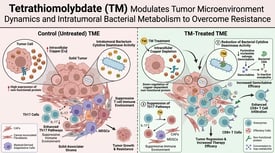
Wilson’s disease, a genetic disorder leading to toxic copper accumulation in the liver and brain, is a primary candidate for cuproptosis-based interventions. In oncology, many cancer types exhibit elevated copper levels and a high dependency on mitochondrial metabolism, making them susceptible to copper ionophores that trigger cuproptosis. Conversely, cuproptosis inhibitors are being researched to protect healthy tissues from copper toxicity or to mitigate the side effects of copper-based chemotherapeutics. Inhibitors of cuproptosis generally fall into three categories: copper chelators, inhibitors of the lipoylation pathway, and mitochondrial metabolism modulators. Copper chelators, such as D-penicillamine, trientine, and tetrathiomolybdate (TTM), are the most established class. TTM, in particular, is a potent inhibitor that has been used in clinical trials for Wilson’s disease and various cancers.
It works by forming stable complexes with copper and chaperone proteins, preventing the metal from interacting with mitochondrial targets. Other research-stage inhibitors include small molecules that target FDX1 or the enzymes responsible for protein lipoylation, thereby preventing the formation of the toxic protein aggregates that drive the death process. The current status of cuproptosis research is largely in the preclinical and early clinical stages. While copper chelators are already FDA-approved for other indications, their specific use as "cuproptosis inhibitors" in the context of neurodegeneration or acute copper poisoning is an area of active investigation. A major challenge in this field is the dual nature of copper; it is an essential trace element for many enzymes (like cytochrome c oxidase), so systemic inhibition of copper-related pathways can lead to significant side effects, including anemia and neutropenia. Future strategies involve the development of more selective inhibitors that can target specific intracellular copper pools without disrupting essential cuproenzymes.
There is also significant interest in using cuproptosis inhibitors as research tools to further map the molecular requirements of this death pathway. As our understanding of the "cuproptotic" signature in different tissues grows, these inhibitors may find applications in treating ischemia-reperfusion injury and certain types of neurodegenerative diseases where copper-mediated oxidative stress is a contributing factor.