Antiviral Inhibitors
Antiviral inhibitors represent a broad and diverse class of pharmacological agents designed to combat viral infections by targeting specific stages of the viral life cycle or modulating host responses. Viruses, being obligate intracellular parasites, rely heavily on host cellular machinery for their replication. Antiviral mechanisms of action therefore focus on interfering with critical viral processes such as attachment and entry into host cells, uncoating of the viral genome, replication of viral genetic material (DNA or RNA), transcription and translation of viral proteins, assembly of new virions, and release from the host cell. Unlike antibiotics, which often target broad bacterial structures, antivirals are typically highly specific to particular viruses or viral families due to the unique molecular mechanisms employed by different viruses. The main signaling pathways targeted are the viral replication cascades, often involving viral enzymes like polymerases, proteases, or reverse transcriptases, or structural proteins like fusion proteins. Viral infections are responsible for a vast array of diseases, ranging from common, self-limiting illnesses like the common cold (rhinoviruses) and seasonal influenza to chronic, life-threatening conditions such as HIV/AIDS, hepatitis B and C, and herpes infections. Emerging viral diseases, exemplified by SARS-CoV-2 (COVID-19), Ebola, and Zika, pose significant global public health threats, capable of causing pandemics and severe morbidity and mortality.
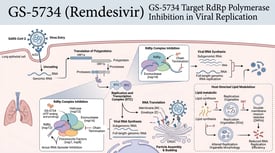
Other conditions include viral encephalitis, viral meningitis, and congenital infections. The global burden of viral diseases is immense, impacting millions of lives annually and placing substantial strain on healthcare systems worldwide, underscoring the critical need for effective antiviral therapies. Current research progress in antiviral inhibitors has been transformative, leading to the development of highly effective drugs for many previously untreatable viral infections. For HIV, combination antiretroviral therapy (cART) involving multiple inhibitors (e.g., reverse transcriptase inhibitors, protease inhibitors, integrase inhibitors, entry inhibitors) has transformed HIV/AIDS from a fatal disease into a manageable chronic condition. Similarly, direct-acting antivirals (DAAs) for Hepatitis C Virus (HCV), targeting viral proteases, NS5A, and polymerase, have achieved cure rates exceeding 95%. Approved antivirals also exist for herpesviruses (e.g., acyclovir for HSV, ganciclovir for CMV), influenza (e.g., oseltamivir, baloxavir), and recently for SARS-CoV-2 (e.g., remdesivir, nirmatrelvir/ritonavir). Preclinical and clinical research is continuously exploring novel targets and mechanisms, including pan-antiviral agents, host-directed antivirals, and therapeutic vaccines.
Common classifications of antiviral inhibitors are typically based on the specific viral target or mechanism of action (e.g., reverse transcriptase inhibitors, protease inhibitors, polymerase inhibitors, fusion inhibitors, integrase inhibitors, neuraminidase inhibitors, uncoating inhibitors). They can also be classified by their chemical structure (e.g., nucleoside analogs, non-nucleoside inhibitors) or the viral family they target. Research tool compounds, such as specific inhibitors of viral enzymes or structural proteins, are invaluable for dissecting viral life cycles and identifying new drug targets. Challenges in antiviral development include the rapid mutation rate of many viruses, leading to the emergence of drug-resistant strains, necessitating combination therapies and continuous drug development. Toxicity, particularly off-target effects on host cells, and drug-drug interactions are important considerations. Combination therapy is a cornerstone of modern antiviral treatment, especially for chronic infections like HIV and HCV, leveraging synergistic effects and providing a higher barrier to resistance. The ongoing development of prophylactic and therapeutic vaccines remains a crucial complementary strategy in the fight against viral diseases.