Caspase Inhibitors & Activators
Caspases, a family of cysteine-aspartic proteases, are central orchestrators of apoptosis (programmed cell death) and play critical roles in inflammation. They are synthesized as inactive zymogens and activated by proteolytic cleavage. The apoptotic pathway involves two main groups: initiator caspases (e.g., Caspase-8, -9, -10) and effector caspases (e.g., Caspase-3, -6, -7). Initiator caspases are activated by upstream signals, either from death receptors (extrinsic pathway, activating caspase-8) or mitochondrial damage (intrinsic pathway, activating caspase-9). Once activated, initiator caspases cleave and activate effector caspases, which then dismantle the cell by cleaving numerous cellular substrates, leading to the characteristic morphological and biochemical changes of apoptosis. A distinct group, inflammatory caspases (e.g., caspase-1, -4, -5, -11), are involved in inflammasome activation and the processing of pro-inflammatory cytokines like IL-1beta and IL-18. The modulation of caspase activity holds significant therapeutic potential for a wide range of diseases. Caspase activators are primarily sought for conditions characterized by insufficient apoptosis, most notably cancer and certain autoimmune diseases, where promoting cell death is desirable.
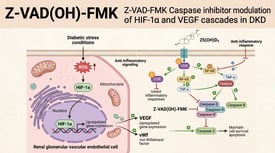
Conversely, caspase inhibitors are investigated for diseases involving excessive or unwanted apoptosis, such as neurodegenerative disorders (e.g., Alzheimer's, Parkinson's, Huntington's disease), acute ischemic injuries (e.g., stroke, myocardial infarction), liver injury, sepsis, and various inflammatory conditions where inflammatory caspases contribute to pathology. Research into caspase modulators is extensive. For inhibitors, pan-caspase inhibitors like z-VAD-fmk are widely used as research tools but lack specificity for clinical use. Clinical development has focused on more selective inhibitors. Emricasan, a pan-caspase inhibitor, was evaluated in clinical trials for liver diseases (e.g., non-alcoholic steatohepatitis, NASH) but faced challenges in demonstrating significant clinical benefit. Pralnacasan, a selective caspase-1 inhibitor, was investigated for inflammatory conditions like osteoarthritis but was discontinued due to safety concerns. More recently, interest has shifted towards targeting specific inflammatory caspases for conditions like inflammatory bowel disease. For activators, direct caspase activators are less common.
Instead, many anticancer drugs indirectly activate caspases. A prominent class of indirect activators are SMAC mimetics, which antagonize Inhibitor of Apoptosis Proteins (IAPs), thereby releasing the brakes on caspase activation. Several SMAC mimetics (e.g., birinapant, LCL161) are in clinical trials for various hematological and solid tumors, often in combination with other agents. Caspase inhibitors can be classified as pan-caspase inhibitors or selective inhibitors targeting specific caspases (e.g., caspase-1, -3, -8, -9), and by their reversibility (irreversible vs. reversible). Caspase activators include direct activators (rare) and indirect activators such as SMAC mimetics, compounds that target upstream regulators of apoptosis (e.g., Bcl-2 inhibitors), or agents that induce cellular stress. Key research tools include peptide-based inhibitors and activators. Challenges for inhibitors include achieving sufficient selectivity to avoid off-target effects, ensuring adequate bioavailability and tissue penetration (especially for CNS disorders), and potential immunosuppression.
For activators, challenges include ensuring tumor-specific activation, managing potential systemic toxicity, and overcoming resistance mechanisms in cancer cells. Combination therapy is a common strategy, particularly for activators in cancer, to enhance efficacy and overcome intrinsic or acquired resistance.