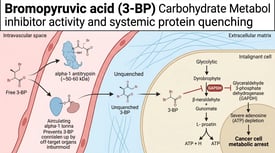
Carbohydrate Metabolism Inhibitors
Carbohydrate Metabolism is a fundamental process that provides energy and biosynthetic precursors to cells. In many pathological states, particularly cancer and metabolic syndrome, these pathways are significantly altered. The most notable change in cancer is the shift toward aerobic glycolysis, or the Warburg effect, where cells preferentially ferment glucose to lactate even in the presence of oxygen. This process is driven by the upregulation of several key enzymes, including hexokinase 2 (HK2), phosphofructokinase-1 (PFK1), 6-phosphofructo-2-kinase/fructose-2,6-bisphosphatase 3 (PFKFB3), and lactate dehydrogenase A (LDHA). Beyond glycolysis, the pentose phosphate pathway (PPP) and gluconeogenesis also represent critical nodes for therapeutic intervention. Inhibitors of Carbohydrate Metabolism are being developed for a wide range of diseases. In oncology, the goal is to starve tumor cells of energy and building blocks.
In metabolic diseases like type 2 diabetes, the focus is on reducing glucose absorption or endogenous glucose production. For example, alpha-glucosidase inhibitors like acarbose work in the gut to slow carbohydrate digestion, while SGLT2 inhibitors (gliflozins) prevent glucose reabsorption in the kidneys. In the context of cancer, inhibitors like 2-deoxy-D-glucose (2-DG) target hexokinase to block the first step of glycolysis. PFKFB3 inhibitors, such as 3-PO and its derivatives, aim to reduce the levels of fructose-2,6-bisphosphate, a potent allosteric activator of glycolysis. Research progress in this field is diverse. While SGLT2 inhibitors are already blockbuster drugs for diabetes and heart failure, many glycolytic inhibitors for cancer are still in the preclinical or early clinical stages. LDHA inhibitors like FX11 have shown promise in animal models by reducing tumor growth and increasing oxidative stress.
However, systemic toxicity remains a significant hurdle. Because glucose is the primary fuel for the brain and red blood cells, global inhibition of carbohydrate metabolism can lead to severe side effects. To mitigate this, researchers are exploring isoform-specific inhibitors (like those targeting HK2, which is highly expressed in tumors but not in most normal tissues) or tumor-targeted delivery systems. Classifications of these inhibitors can be based on the specific metabolic pathway they target: glycolytic inhibitors, gluconeogenesis inhibitors, PPP inhibitors, or glucose transport inhibitors (GLUT inhibitors). They can also be categorized by their mechanism of action, such as competitive inhibitors of substrate binding or allosteric modulators. A major challenge is metabolic plasticity; cancer cells can often bypass a blocked pathway by increasing the utilization of alternative fuels like glutamine or fatty acids. Therefore, the current trend in research is to use carbohydrate metabolism inhibitors in combination with other metabolic blockers or standard chemotherapies to achieve a synergistic effect and prevent the emergence of resistance.