Antifolate Inhibitors
Antifolate inhibitors represent a cornerstone class of therapeutic agents, primarily targeting enzymes involved in the folate metabolic pathway. Folate, or vitamin B9, is essential for the synthesis of purines, thymidylate, and certain amino acids, making it critical for DNA replication, repair, and cell proliferation. The main signaling pathway impacted by antifolates involves the one-carbon metabolism cycle, where enzymes like dihydrofolate reductase (DHFR) convert dihydrofolate to tetrahydrofolate, a crucial cofactor. By inhibiting these enzymes, antifolates deplete intracellular pools of reduced folates, thereby disrupting nucleotide synthesis and leading to cell cycle arrest and apoptosis, particularly in rapidly dividing cells. This mechanism makes antifolates highly effective in treating a range of diseases characterized by uncontrolled cell growth or high metabolic demand. They are widely used in various cancers, including acute lymphoblastic leukemia, lymphomas, breast cancer, and colorectal cancer. Beyond oncology, antifolates like methotrexate (MTX) are indispensable in managing autoimmune diseases such as rheumatoid arthritis, psoriasis, and Crohn's disease, owing to their immunosuppressive and anti-inflammatory properties.
Furthermore, antifolates like trimethoprim and pyrimethamine are crucial in treating bacterial and parasitic infections, respectively, by targeting microbial folate pathways. The research progress and status of Antifolate inhibitors are extensive. Methotrexate, developed in the 1940s, remains a foundational approved drug. Subsequent generations include pemetrexed, a multi-targeted antifolate approved for non-small cell lung cancer and mesothelioma, and raltitrexed, a thymidylate synthase inhibitor used in colorectal cancer. Pralatrexate is another approved antifolate for peripheral T-cell lymphoma. Current research focuses on developing novel antifolates with improved selectivity, reduced toxicity, and the ability to overcome resistance mechanisms. Many compounds are in preclinical and early clinical stages, exploring new targets within the folate pathway or enhanced cellular uptake.
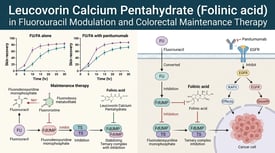
Common classifications of antifolate inhibitors are primarily based on their specific enzyme target. The most prominent subtype comprises DHFR inhibitors, exemplified by methotrexate, trimethoprim, and pyrimethamine. Another significant class targets thymidylate synthase (TS), including pemetrexed and raltitrexed. Other less common classifications might involve inhibitors of glycinamide ribonucleotide formyltransferase (GARFT) or aminoimidazole carboxamide ribonucleotide formyltransferase (AICARFT), which are involved in purine synthesis. Inhibitors can also be categorized by their chemical structure or their generation, reflecting advancements in design and efficacy. Other relevant general knowledge includes the significant challenge of resistance, which can arise from DHFR gene amplification, mutations in the target enzyme reducing drug binding, or impaired drug transport into cells. Toxicity, particularly myelosuppression, mucositis, and hepatotoxicity, is a common concern, often managed with leucovorin rescue, which provides exogenous reduced folate to protect healthy cells.
Combination therapy is a standard strategy, where antifolates are used alongside other chemotherapeutic agents or targeted therapies to enhance efficacy and overcome resistance. Research tool compounds, such as specific DHFR or TS inhibitors, are vital for dissecting folate pathway dynamics and identifying new therapeutic vulnerabilities.