CRM1 Inhibitors
CRM1 (Chromosome Region Maintenance 1), also known as Exportin 1 (XPO1), is a crucial nuclear export receptor responsible for mediating the transport of over 200 proteins and numerous RNA species from the nucleus to the cytoplasm. Its mechanism of action involves recognizing a specific nuclear export signal (NES) on its cargo proteins, forming a trimeric complex with the cargo and the small GTPase RanGTP. This complex then translocates through the nuclear pore complex into the cytoplasm, where RanGTP hydrolysis leads to cargo release. CRM1 plays a vital role in maintaining cellular homeostasis by regulating the subcellular localization of key proteins, including tumor suppressor proteins (TSPs) like p53, p21, p27, FOXO, and NF-κB inhibitors, as well as cell cycle regulators and transcription factors. The main signaling pathways affected by CRM1 activity are those governing cell proliferation, apoptosis, DNA repair, and inflammation. Dysregulation of CRM1, particularly its overexpression, is frequently observed in various cancers, leading to the aberrant cytoplasmic accumulation and functional inactivation of TSPs, thereby promoting oncogenesis and drug resistance. Diseases associated with CRM1 dysregulation primarily include a wide range of cancers, such as multiple myeloma, lymphoma (e.g., diffuse large B-cell lymphoma), acute myeloid leukemia, and solid tumors like lung, breast, colon, and pancreatic cancer. It also plays a role in the nuclear export of viral proteins, making it a potential target for antiviral therapies.
Current research progress on CRM1 inhibitors has been highly successful, culminating in the FDA approval of the first-in-class selective inhibitor of nuclear export (SINE) compound, Selinexor (KPT-330). Selinexor is an orally bioavailable small molecule that covalently binds to Cys528 in the cargo-binding groove of CRM1, irreversibly blocking its interaction with NES-containing proteins. This leads to the nuclear retention and reactivation of TSPs, triggering apoptosis in cancer cells. Selinexor received accelerated approval for relapsed/refractory multiple myeloma in 2019 and for relapsed/refractory diffuse large B-cell lymphoma in 2020. Other SINE compounds, such as Verdinexor (KPT-335, approved for canine lymphoma) and KPT-8602, are in various stages of preclinical and clinical development, aiming for improved safety profiles or broader indications. Preclinical studies continue to explore the efficacy of CRM1 inhibitors in other cancer types, often in combination with conventional chemotherapy or novel targeted agents, demonstrating synergistic effects. CRM1 inhibitors are primarily classified as Selective Inhibitors of Nuclear Export (SINEs). These compounds share a common mechanism of covalently binding to Cys528 of CRM1.
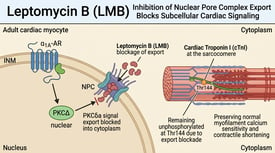
This class includes Selinexor (KPT-330), Verdinexor (KPT-335), and KPT-8602, which differ in their pharmacokinetic properties and specific clinical applications. Early, less selective CRM1 inhibitors like Leptomycin B (LMB) were important research tools but were too toxic for clinical use. Other relevant general knowledge includes the challenges associated with CRM1 inhibition, particularly dose-limiting toxicities such as gastrointestinal side effects (nausea, vomiting, diarrhea), fatigue, and hematological toxicities (thrombocytopenia, neutropenia). These toxicities are thought to arise from the widespread role of CRM1 in normal cellular function. Strategies to mitigate these include optimized dosing schedules and combination therapies. Resistance mechanisms to SINEs, such as mutations in CRM1 or upregulation of alternative survival pathways, are also being investigated. Combination therapy with proteasome inhibitors, immunomodulatory drugs, or conventional cytotoxic agents has shown promise in overcoming resistance and enhancing efficacy. The continued development of more selective and better-tolerated CRM1 inhibitors, along with a deeper understanding of their precise cellular effects, holds significant promise for expanding their therapeutic utility in oncology and potentially other disease areas.