Synthetic Lethality Inhibitors
Synthetic Lethality describes a genetic relationship where the simultaneous loss of function of two genes leads to cell death, whereas the loss of either gene alone is compatible with cell viability. This concept has revolutionized precision oncology by providing a framework to target cancer-specific vulnerabilities while sparing normal tissues. The most prominent example of this is the interaction between Poly(ADP-ribose) polymerase (PARP) and Breast Cancer Susceptibility Proteins (BRCA1/2). PARP is essential for the repair of DNA single-strand breaks (SSBs) via the base excision repair pathway. When PARP is inhibited, SSBs persist and are converted into double-strand breaks (DSBs) during DNA replication. In cells with functional BRCA1/2, these DSBs are repaired through high-fidelity homologous recombination (HR).
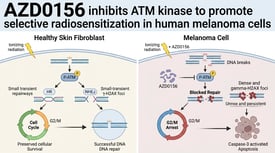
However, in BRCA-deficient cancer cells, the HR pathway is impaired, forcing the cell to rely on error-prone repair mechanisms, which leads to genomic instability and apoptosis. The clinical success of PARP inhibitors, such as olaparib, rucaparib, niraparib, and talazoparib, has validated Synthetic Lethality as a therapeutic strategy. These drugs are now standard of care for BRCA-mutated ovarian, breast, prostate, and pancreatic cancers. Beyond PARP, current research is expanding into other DNA damage response (DDR) targets. Inhibitors of Ataxia Telangiectasia and Rad3-related (ATR), Ataxia Telangiectasia Mutated (ATM), and Checkpoint Kinase 1 (CHK1) are being evaluated in clinical trials, often in patients with specific genetic alterations like ATM loss or CCNE1 amplification. Another emerging area is the targeting of paralog synthetic lethality, such as SMARCA2 inhibition in SMARCA4-deficient tumors or VPS4B inhibition in VPS4A-deficient cancers.
Synthetic lethality inhibitors can be classified by their target pathway (e.g., DDR, metabolic, or epigenetic) or by their mechanism of action (e.g., catalytic inhibition vs. protein trapping). PARP inhibitors, for instance, not only block the enzymatic activity of PARP but also "trap" the enzyme on DNA, creating toxic lesions. Despite the success of these agents, resistance remains a significant clinical challenge. Mechanisms of resistance include the restoration of HR through secondary mutations in BRCA genes, loss of 53BP1, or upregulation of drug efflux pumps. To overcome this, researchers are exploring combination strategies, such as pairing PARP inhibitors with PI3K inhibitors, anti-angiogenic agents, or immune checkpoint inhibitors.
Furthermore, the identification of new synthetic lethal pairs through CRISPR-Cas9 screens continues to populate the drug discovery pipeline. The future of synthetic lethality lies in expanding the repertoire of targetable mutations beyond BRCA and developing more selective inhibitors that can widen the therapeutic window and minimize hematological toxicities commonly associated with DDR-targeted therapies.