ATPase Inhibitors
ATPases are a diverse and fundamental class of enzymes that catalyze the hydrolysis of adenosine triphosphate (ATP) into adenosine diphosphate (ADP) and inorganic phosphate (Pi), releasing energy to drive a vast array of cellular processes. These enzymes are crucial for maintaining cellular homeostasis, signal transduction, and various metabolic activities. ATPase inhibitors block this ATP hydrolysis, thereby disrupting the specific cellular function powered by the targeted ATPase. The broad family of ATPases includes ion pumps (e.g., Na+/K+-ATPase, H+/K+-ATPase), proton pumps (e.g., V-ATPases), molecular chaperones (e.g., Hsp90), and ATP synthases (e.g., F-ATPases). Each type plays distinct roles, making their inhibition therapeutically relevant for different conditions. Diseases and conditions targeted by ATPase inhibitors are remarkably diverse, reflecting the widespread importance of ATP-driven processes. Proton pump inhibitors (PPIs), which target the gastric H+/K+-ATPase, are mainstays for treating peptic ulcers, gastroesophageal reflux disease (GERD), and other acid-related disorders. Cardiac glycosides, like digoxin, inhibit the Na+/K+-ATPase in cardiomyocytes, increasing intracellular calcium and enhancing myocardial contractility, making them useful for congestive heart failure and atrial fibrillation.
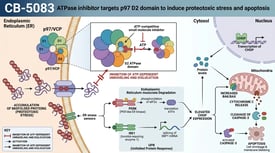
Vacuolar ATPases (V-ATPases) are involved in acidifying intracellular organelles and extracellular compartments; their inhibition is being explored for osteoporosis (by targeting osteoclast V-ATPase to reduce bone resorption), various cancers (to disrupt tumor acidification and metastasis), and kidney stones. The ATPase domain of Heat Shock Protein 90 (Hsp90), a molecular chaperone, is a target in oncology, as Hsp90 is critical for the stability and function of many oncogenic client proteins. F-ATPases (ATP synthases) are essential for mitochondrial ATP production; their inhibition is being investigated in cancer to disrupt tumor metabolism and in infectious diseases, such as tuberculosis, where bedaquiline specifically targets the mycobacterial F-ATPase. Several ATPase inhibitors are approved and widely used drugs. PPIs (e.g., omeprazole, lansoprazole, pantoprazole) are among the most prescribed medications globally. Digoxin has been used for decades in cardiology. Bedaquiline is a critical drug for multi-drug resistant tuberculosis. In oncology, several Hsp90 inhibitors (e.g., geldanamycin derivatives, ganetespib) have entered clinical trials, though challenges with toxicity and efficacy have limited their widespread approval.
V-ATPase inhibitors, such as bafilomycin A1, are primarily used as research tools, with clinical development for cancer and osteoporosis ongoing but still in early phases. Classifications of ATPase inhibitors are highly specific to their target ATPase. They are typically small molecules that often target the ATP binding site or allosteric sites. A key challenge in developing ATPase inhibitors is achieving high selectivity for the specific ATPase isoform or cellular context to avoid severe toxicity, as ATPases are fundamental to cell survival. For example, while Hsp90 inhibitors show promise in cancer, their broad inhibition can lead to off-target effects. Resistance mechanisms can also emerge, particularly in cancer therapies. Combination therapy is frequently explored, especially in oncology, where ATPase inhibitors can be combined with chemotherapy or other targeted agents to enhance efficacy. Research tools, such as specific inhibitors and genetic models, are crucial for dissecting the precise roles of individual ATPases and their isoforms in health and disease, guiding the development of more targeted and safer therapeutic strategies.