ATP7B Inhibitors
ATP7B, also known as the Wilson disease protein, is a copper-transporting P-type ATPase primarily expressed in the liver and, to a lesser extent, in the brain, kidneys, and other tissues. Its primary physiological role is to maintain copper homeostasis by transporting copper across membranes using the energy derived from ATP hydrolysis. In the liver, ATP7B is localized in the trans-Golgi network (TGN), where it loads copper onto apoceruloplasmin to form functional ceruloplasmin for secretion into the blood. When intracellular copper levels rise, ATP7B translocates to the canalicular membrane of hepatocytes to facilitate the excretion of excess copper into the bile. Mutations in the ATP7B gene lead to Wilson disease, a condition characterized by toxic copper accumulation in the liver and brain. In the context of oncology, ATP7B has emerged as a significant mediator of resistance to platinum-based chemotherapy. Similar to its role in copper transport, ATP7B can sequester platinum drugs like cisplatin and carboplatin within the secretory pathway or efflux them out of the cell, thereby reducing their nuclear accumulation and cytotoxic effect.
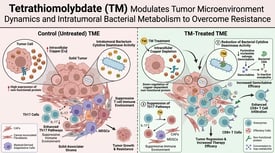
Overexpression of ATP7B has been observed in various platinum-resistant tumors, including those of the ovary, lung, and breast. This makes ATP7B an attractive target for sensitizing cancer cells to standard chemotherapy. Furthermore, ATP7B's role in copper efflux makes it a relevant factor in the cuproptosis pathway, as its activity can lower the intracellular copper concentrations required to trigger this form of cell death. Inhibitors of ATP7B are currently a subject of intense preclinical research. While there are no FDA-approved small molecule inhibitors specifically designed for ATP7B, several compounds are being investigated. These include tetrathiomolybdate (TM), which acts as a potent copper chelator and can also interfere with the function of copper transporters. Other research focuses on the development of small molecules that inhibit the ATPase activity or the copper-binding domains of ATP7B.
Inhibitors can be classified into direct enzymatic inhibitors, copper-sequestering agents, and modulators of ATP7B trafficking. One of the key challenges in targeting ATP7B is achieving selectivity over its close homolog, ATP7A, which is essential for systemic copper absorption and delivery to the brain. Broad inhibition of both transporters could lead to severe copper imbalances. Therefore, research is directed toward identifying unique structural features of ATP7B that can be exploited for selective drug design. Additionally, the use of RNA interference (RNAi) or CRISPR-based approaches to knockdown ATP7B in tumor cells is being explored as a way to overcome drug resistance. Future therapeutic strategies may involve the combination of ATP7B inhibitors with platinum-based drugs or copper ionophores to maximize tumor cell killing while minimizing systemic toxicity. Understanding the regulatory mechanisms that control ATP7B translocation and degradation will also provide new opportunities for pharmacological intervention in both Wilson disease and cancer.
This transporter represents a critical link between metal homeostasis and therapeutic resistance.