DHFR Inhibitors
Dihydrofolate reductase (DHFR) is a ubiquitous enzyme critical for cellular metabolism and proliferation, making it a highly effective drug target in various diseases. DHFR catalyzes the reduction of dihydrofolate (DHF) to tetrahydrofolate (THF), using NADPH as a cofactor. THF is a crucial coenzyme required for the synthesis of purines, thymidylate (a pyrimidine essential for DNA synthesis), and certain amino acids like methionine and glycine. These biomolecules are fundamental building blocks for DNA and RNA synthesis, protein synthesis, and cell division. By inhibiting DHFR, these drugs deplete intracellular THF pools, thereby disrupting nucleotide synthesis, leading to DNA damage, cell cycle arrest, and ultimately apoptosis, particularly in rapidly dividing cells. Diseases associated with DHFR as a target are diverse and significant. In oncology, DHFR inhibitors are widely used in the treatment of various cancers, including acute lymphoblastic leukemia (ALL), lymphomas, breast cancer, osteosarcoma, and head and neck cancers. Their efficacy stems from their ability to selectively target rapidly proliferating cancer cells.
Beyond cancer, methotrexate, a classic DHFR inhibitor, is a cornerstone in the management of autoimmune diseases such as rheumatoid arthritis, psoriasis, and Crohn's disease, where it acts as an immunosuppressant by inhibiting lymphocyte proliferation. Furthermore, DHFR inhibitors are vital in infectious disease, with trimethoprim targeting bacterial DHFR for antibacterial therapy, and pyrimethamine targeting parasitic DHFR for antimalarial and antitoxoplasmosis treatment. The subtle structural differences between human, bacterial, and parasitic DHFR enzymes allow for species-selective inhibition. The research progress and status of DHFR inhibitors are well-established, with several drugs having been in clinical use for decades. Methotrexate, introduced in the 1950s, remains one of the most important and widely used chemotherapeutic and immunosuppressive agents. Trimethoprim and pyrimethamine are also long-standing and essential antimicrobial drugs. While these agents are highly effective, ongoing research focuses on developing novel antifolates with improved pharmacokinetic profiles, enhanced selectivity, and activity against resistant strains. This includes exploring new chemical scaffolds and combination strategies to overcome resistance and reduce toxicity.
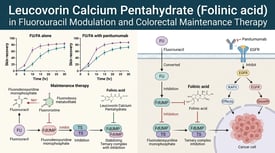
Preclinical studies are also investigating the potential of DHFR inhibitors in other indications, such as fibrotic diseases. DHFR inhibitors are commonly classified based on their chemical structure and selectivity. The primary classification distinguishes between folate analogs (e.g., methotrexate, pemetrexed), which structurally resemble natural folates and compete for the enzyme's active site, and non-folate analogs (e.g., trimethoprim, pyrimethamine), which have distinct chemical structures but achieve similar enzymatic inhibition. Further classification can be made based on their species selectivity, such as human DHFR inhibitors versus bacterial or parasitic DHFR inhibitors, which is crucial for their specific therapeutic applications. Other relevant general knowledge includes the significant challenge of acquired resistance, which can arise through various mechanisms, including DHFR gene amplification, point mutations in the DHFR enzyme that reduce inhibitor binding, or decreased drug uptake into cells. High-dose methotrexate regimens often require leucovorin rescue, a folinic acid derivative, to replenish THF pools in healthy cells and mitigate severe toxicities like myelosuppression and mucositis. Drug-drug interactions, particularly with other antifolates or drugs affecting renal clearance, are also important considerations. Combination therapy, often involving DHFR inhibitors with other cytotoxic agents or targeted therapies, is a standard approach in cancer treatment to enhance efficacy and overcome resistance.
Research tools include various radiolabeled folates and specific enzyme assays to study DHFR activity and inhibition.